Seeing Clearly Starts Here: 9 Questions to Ask at Your Next Eye Doctor Appointment
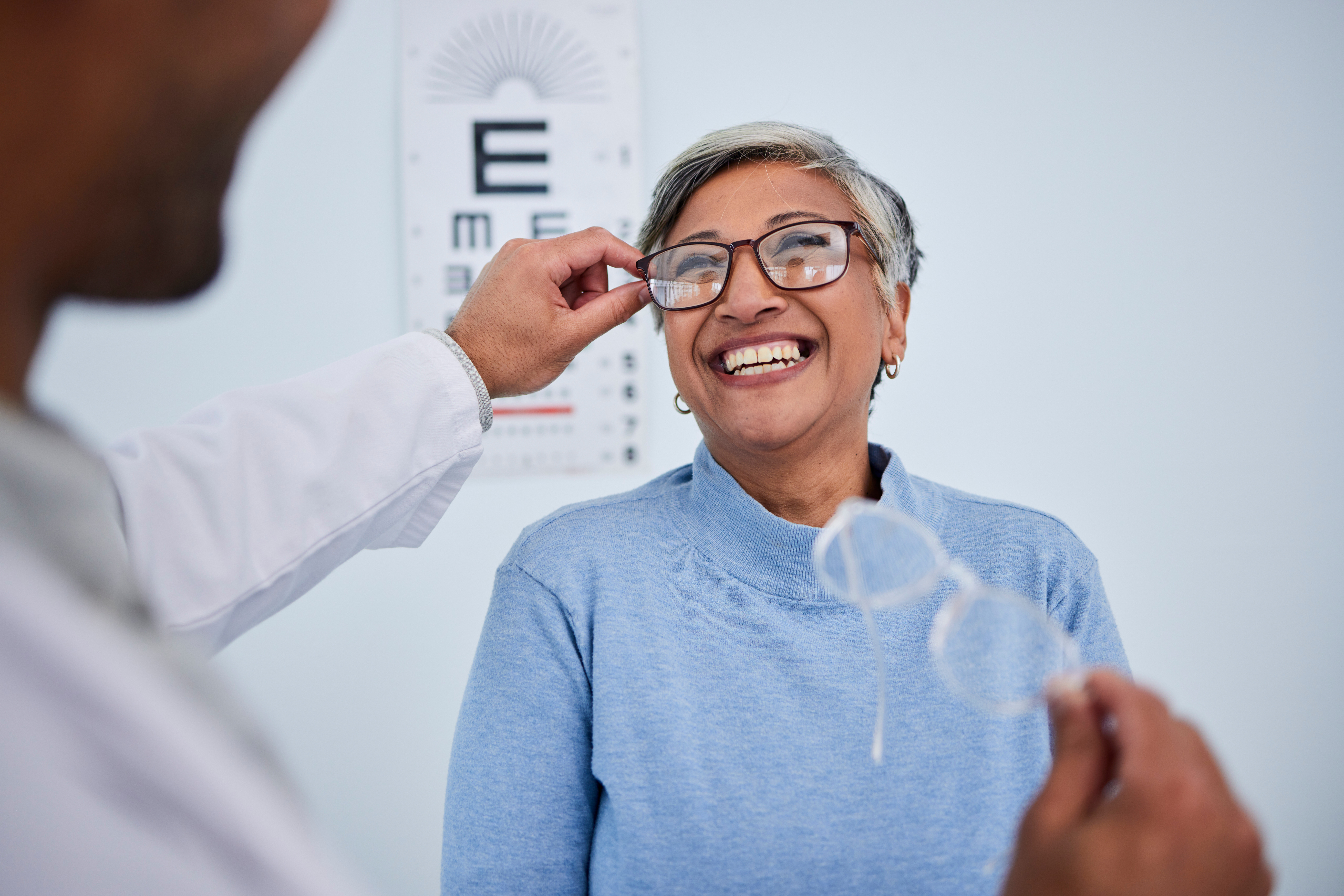
Booking an eye test is about more than updating your prescription — it’s a vital step in protecting your long-term eye health. Whether you’re visiting an optometrist in Sydney, Melbourne, Brisbane or anywhere else in Australia, asking the right questions can help you understand your vision, detect issues early and make informed decisions about your eye care.
If you’ve got an eye exam coming up and aren’t sure what to expect, these nine important questions will help you get the most out of your appointment.
1. What Eye Tests Will You Be Doing Today — and Why?
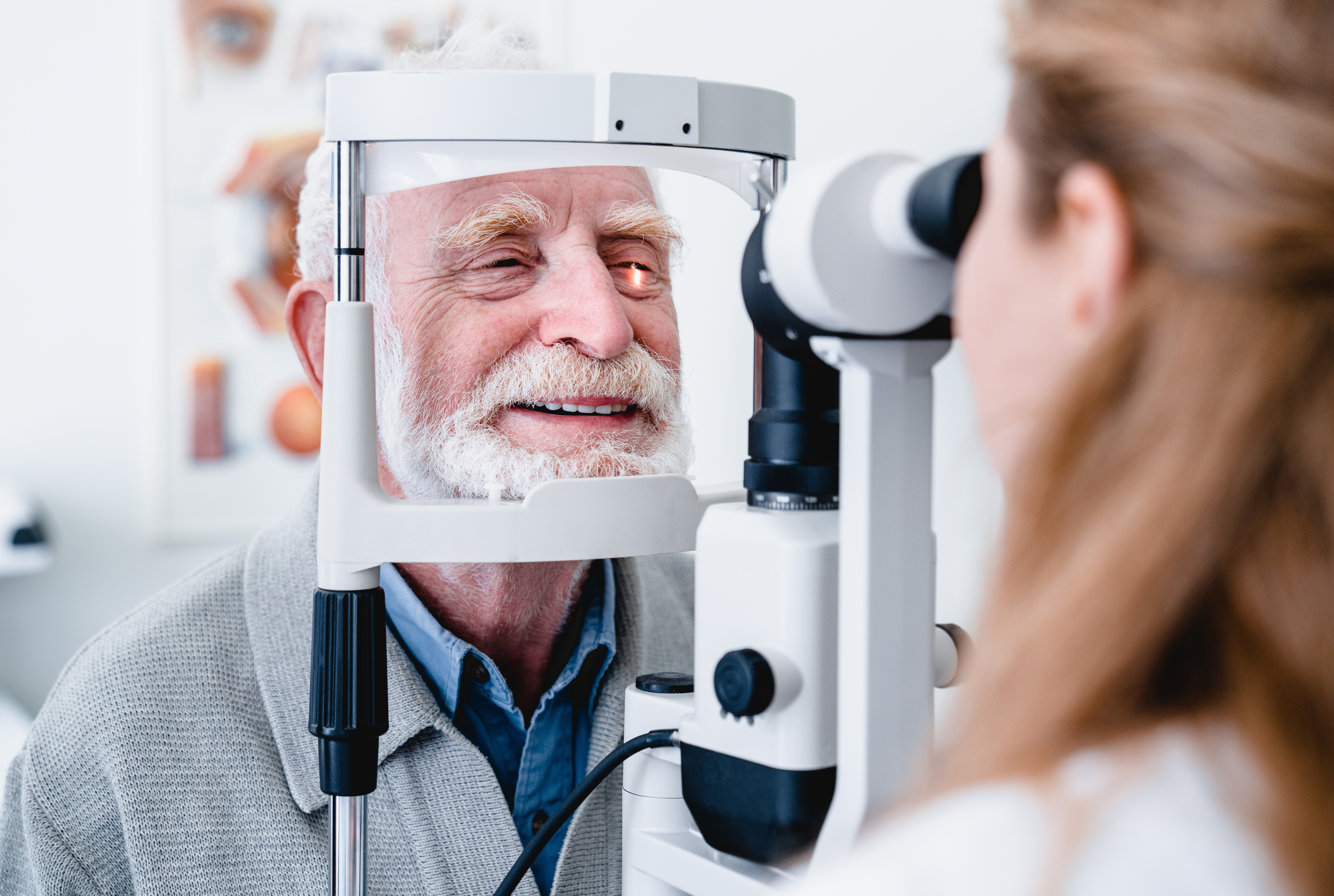
Understanding what tests are involved can help you feel more comfortable and confident during your appointment. Ask your optometrist to explain what each test checks and why it’s important for your eye health.
Some eye tests, such as pupil dilation, may cause temporary blurred vision or light sensitivity. If that’s the case, ask whether you’ll need sunglasses afterwards or if it’s safer to avoid driving for a few hours.
2. What Should I Expect From the Results?
Your eye exam can reveal more than just whether your prescription has changed. Depending on your symptoms, lifestyle or family history, your optometrist may be assessing your eye pressure, eye alignment or early signs of eye disease.
Ask your optometrist to clearly explain your results, what’s considered normal, and whether anything requires follow-up or treatment.
3. Is My Eye Condition Stable, or Likely to Change Over Time?
If you’ve been diagnosed with an eye condition — or even if your eyes are currently healthy — it’s important to know what the future may look like.
Ask whether your condition is stable or expected to progress, and what symptoms could indicate changes. Understanding this helps you plan ahead and take preventative steps where possible.
4. Is My Condition Treatable or Manageable?
If an issue is detected, ask what treatment or management options are available. Some eye conditions can be treated directly, while others are monitored through regular eye tests or managed with prescription glasses or contact lenses.
If anything is unclear, ask for further explanation. Being informed helps you make confident decisions about your eye care.
5. What Lifestyle Changes Can Improve My Eye Health?

Modern life in Australia often involves long hours on screens — whether for work, study or leisure. Ask your optometrist how your daily habits may be affecting your eyes.
They may recommend:
- Reducing screen time or following the 20-20-20 rule
(Take a 20-second break every 20 minutes to look at something 20 feet (about 6 metres) away.) - Improving your diet with eye-healthy nutrients
- Wearing UV-protective sunglasses outdoors
- Managing dry eyes caused by air conditioning or heating
Wearing your prescription glasses or contact lenses as advised is also essential to reduce eye strain, headaches and blurred vision.
6. How Will My Eyesight Change as I Get Older?

Vision changes are a natural part of ageing, but knowing what to expect makes a big difference. Ask your optometrist which changes are normal and which may require closer monitoring.
If you’re over 50, your optometrist may recommend regular dilated eye exams to detect age-related eye conditions early, when treatment is often most effective.
7. What Symptoms or Changes Should I Look Out For?
Ask your optometrist what warning signs you should monitor between eye tests. This is especially important if you already have an eye condition or wear contact lenses.
Symptoms to watch for may include sudden vision changes, persistent redness, eye pain, increased light sensitivity or frequent headaches.
8. Where Can I Find Reliable Information About My Eye Condition?
There’s plenty of eye health information online, but not all of it is accurate. Ask your optometrist to recommend reputable resources or educational materials relevant to Australian eye care guidelines.
This can help you better understand your diagnosis and avoid misinformation.
9. How Often Should I Schedule My Next Eye Test?
Many Australians only visit an optometrist when something feels wrong, but regular eye tests are essential for preventative care.
Ask how often you should book follow-up appointments based on your age, vision needs and eye health history. If you wear contact lenses or have an eye condition, you may need more frequent check-ups.
Take Control of Your Eye Health
An eye test is one of the simplest ways to protect your vision and overall eye health. By asking these nine important questions, you’ll leave your appointment informed, confident and proactive about your eye care.
Before your next eye test in Australia, save this list — your eyes will thank you for it.