Good Food, Clearer Future: A Practical Guide to Eating for Healthy Eyes
Your eyes work from the moment you wake up until the moment you go to sleep. They help you read, drive, work, recognise faces and enjoy everything happening around you.
Yet eye health is often overlooked until something changes.
Ageing can affect how quickly your eyes focus, how clearly you see in dim light and how comfortable they feel throughout the day. A nutritious diet cannot stop every age-related condition, but it can provide the building blocks your eyes need to operate normally.
Here is how Australians can make everyday meals more eye-friendly—without relying on restrictive diets or expensive supplements.
Start With the Whole Plate
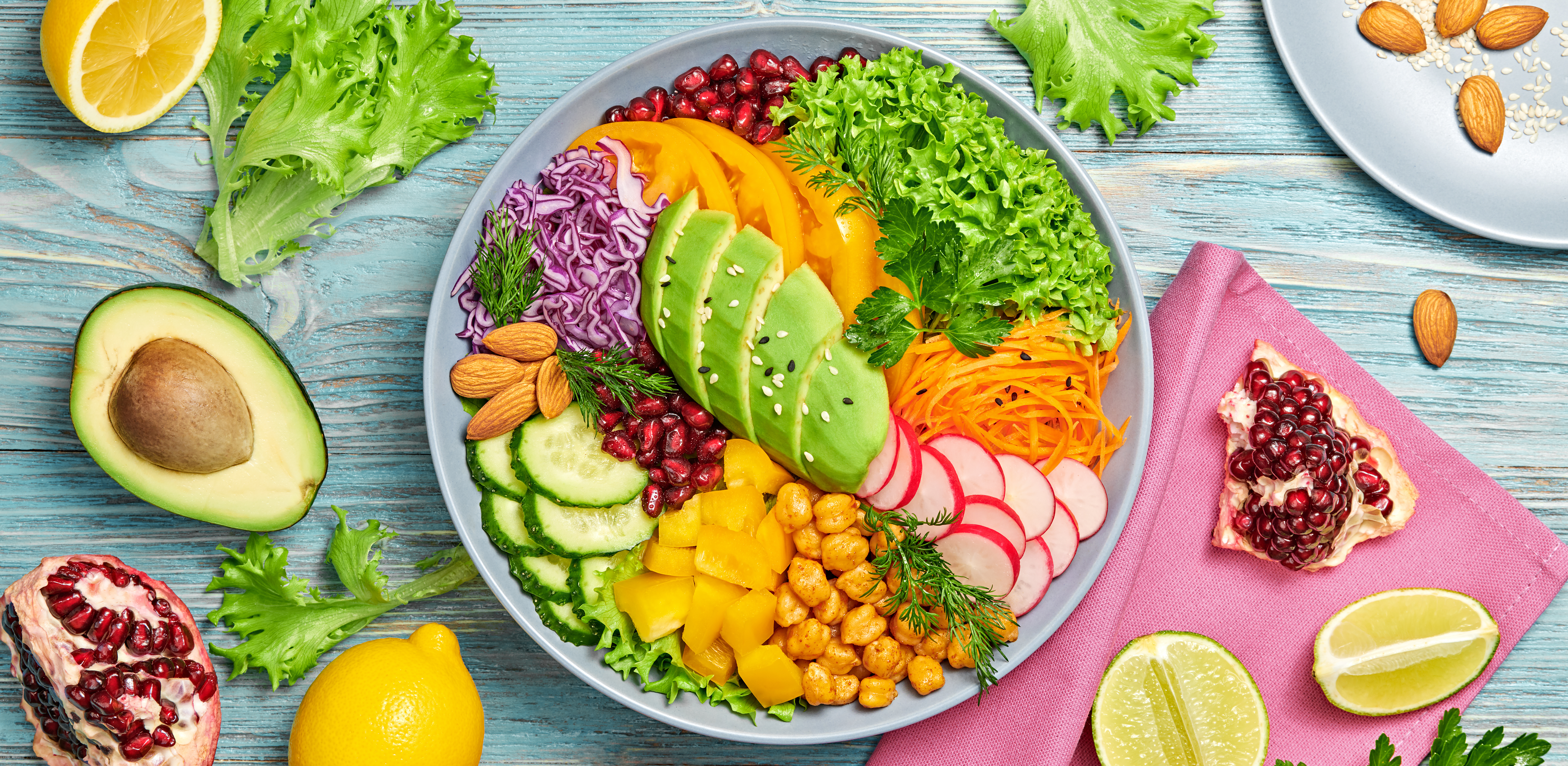
Rather than searching for one superfood, think about the overall balance of your meals.
An eye-friendly plate might contain:
- Colourful vegetables
- Leafy greens
- Fruit
- Whole grains
- Fish or another quality protein
- Nuts, seeds or avocado
These foods supply a combination of vitamins, plant pigments, minerals and healthy fats. They also support cardiovascular and metabolic health, which matters because conditions such as diabetes and high blood pressure can affect the eyes.
Healthdirect recommends a balanced diet as part of caring for your eyesight as you get older.
1. Leafy Greens
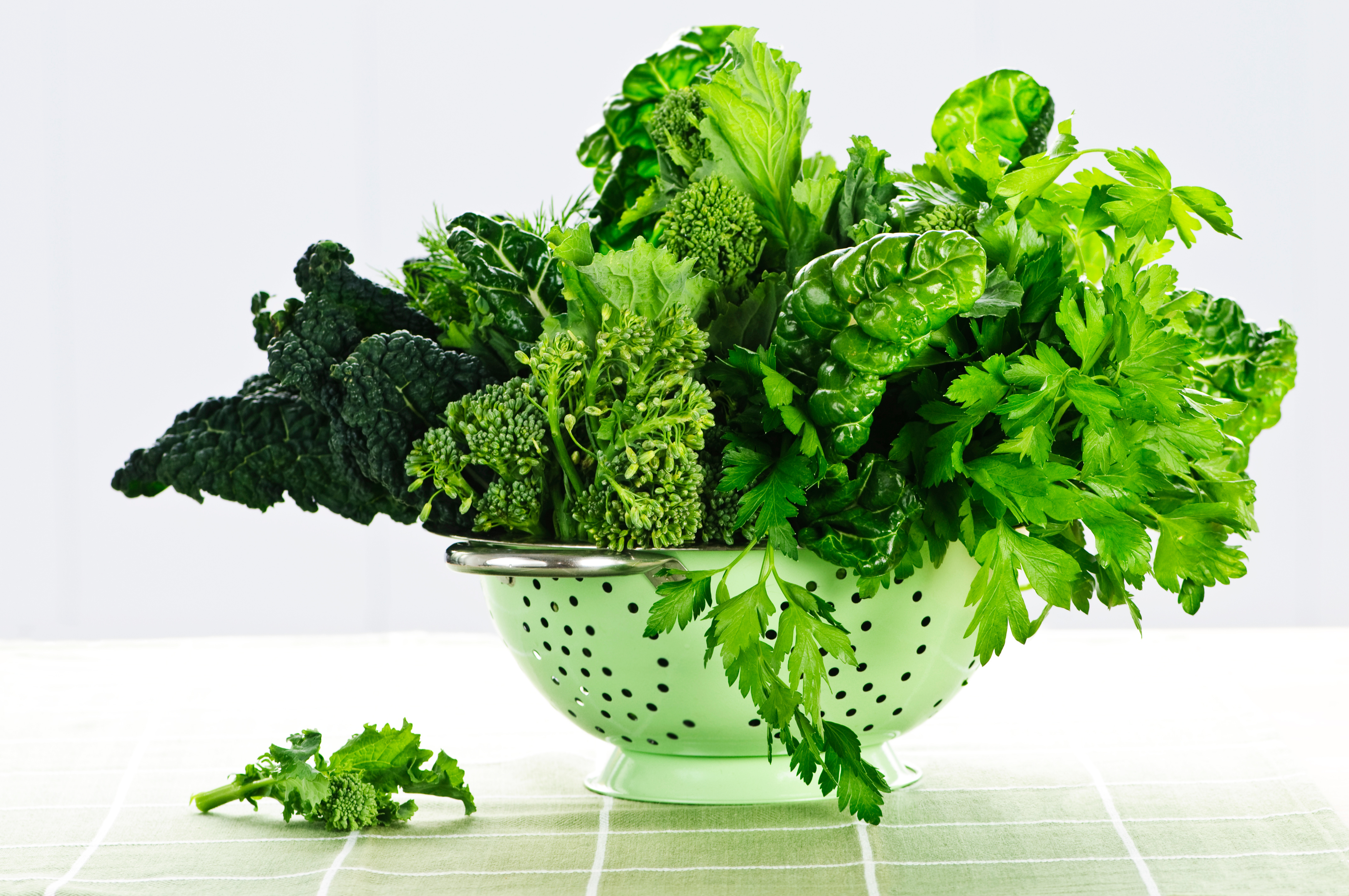
Spinach, kale, silverbeet and broccoli contain the plant pigments lutein and zeaxanthin.
These pigments are naturally present in the eye, particularly around the macula—the central area of the retina responsible for detailed vision.
Leafy greens do not need to be served as a plain side salad. Try:
- Adding baby spinach to pasta
- Mixing kale in a stir-fry
- Putting silverbeet in a frittata
- Blending spinach into a fruit smoothie
- Adding broccoli to a tray bake
Egg yolks, corn, peas and yellow capsicum also contain these useful carotenoids.
2. Orange and Red Produce
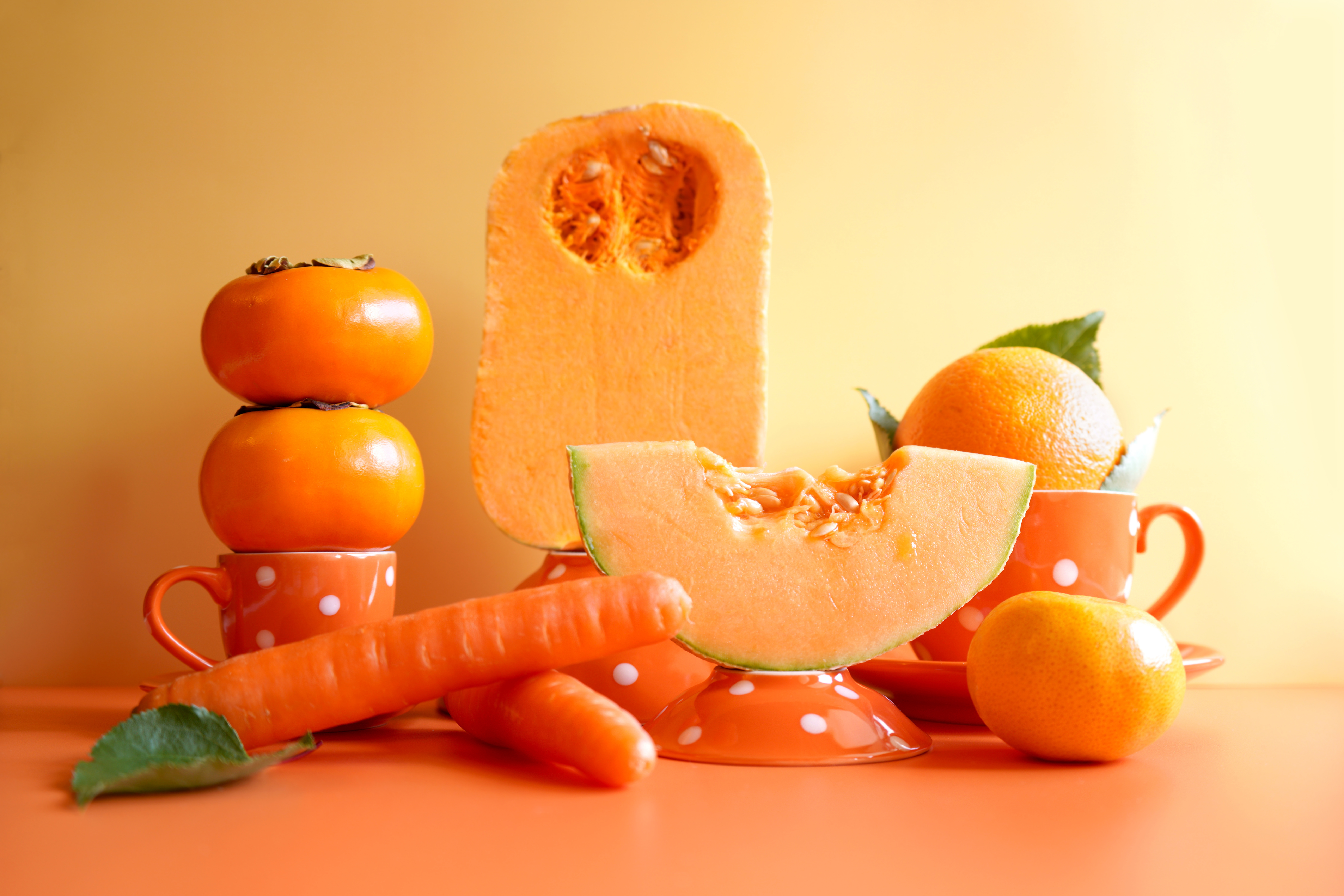
Pumpkin, sweet potato, carrots and capsicum bring more than colour to your plate. Many contain beta-carotene, which the body uses to make vitamin A.
Vitamin A helps maintain normal vision and the health of the eye’s surface. It can be obtained from eggs, dairy products, meat and colourful produce are beneficial, but they will not give you night vision or reverse an existing prescription. They are simply one useful ingredient within a balanced diet.
3. Fish and Healthy Fats
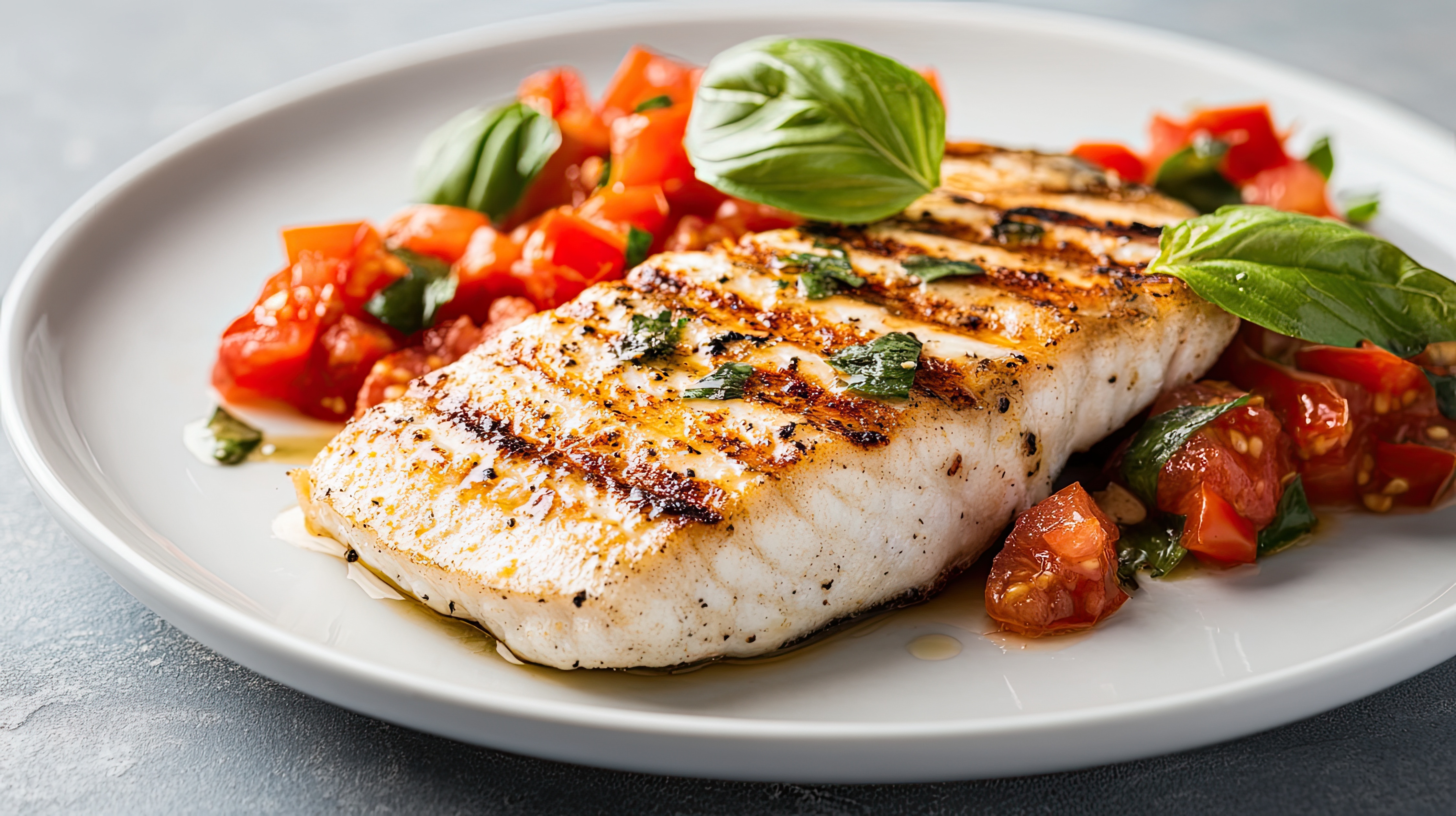
Fish such as salmon, sardines, trout and tuna contain omega-3 fats. These fats form part of a varied diet that may support retinal and general eye health.
For a simple weeknight meal, try grilled fish with roast vegetables, tuna with wholegrain pasta, or sardines on toast with tomato and avocado.
People who do not eat fish can obtain plant-based omega-3 fats from:
- Chia seeds
- Flaxseeds
- Walnuts
- Soybeans
- Tofu
4. Nuts, Seeds and Protein Foods
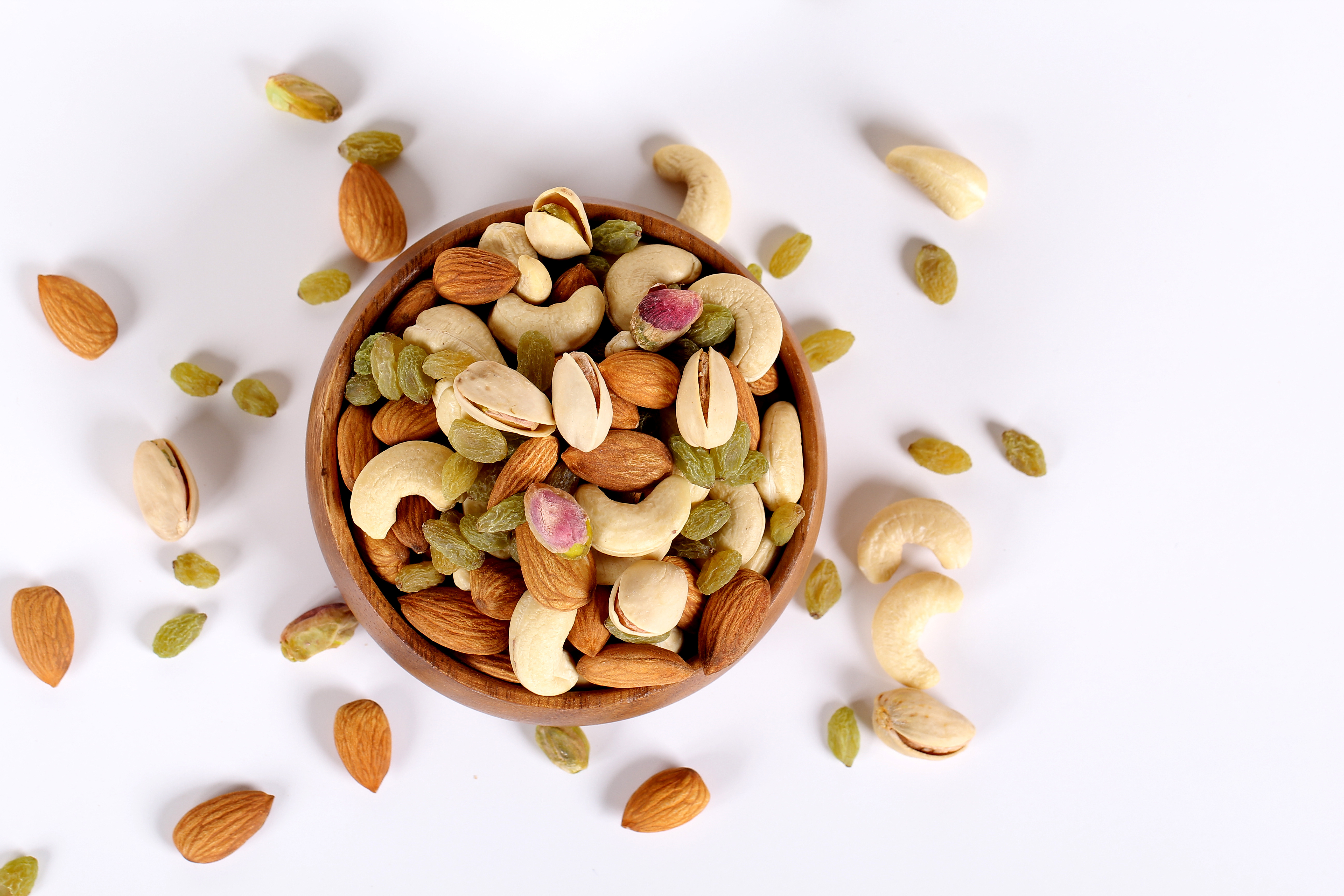
Vitamin E is an antioxidant found in foods such as almonds, sunflower seeds, peanuts, avocado and spinach.
Zinc is present in seafood, meat, eggs, legumes, whole grains, nuts and seeds. Instead of trying to obtain large amounts of one nutrient, eat a broad mix of protein and plant foods.
Useful additions include:
- Almonds in yoghurt
- Pumpkin seeds over soup
- Chickpeas in a salad
- Lentils in a curry
- Eggs with spinach
- Avocado on wholegrain toast
5. Vitamin C-Rich Fruit and Vegetables
Oranges may be the most famous source of vitamin C, but they are far from the only option.
Strawberries, kiwifruit, tomatoes, capsicum, broccoli, cauliflower and Brussels sprouts also provide vitamin C.
Keep fresh fruit somewhere visible, include vegetables with lunch and dinner, and choose a variety of colours throughout the week.
Easy Food Swaps for Busy Australians
You do not have to completely rebuild your diet. Begin with one or two practical changes.
Instead of: A breakfast with very little protein
Try: Eggs with spinach and wholegrain toast
Instead of: Chips every afternoon
Try: Unsalted nuts, yoghurt or vegetable sticks
Instead of: A takeaway lunch every day
Try: A tuna, chickpea and salad wrap
Instead of: Serving dinner without vegetables
Try: Keeping frozen broccoli, peas or mixed vegetables available
Instead of: Eating the same produce each week
Try: Choosing one new colour of fruit or vegetables during each grocery shop
The most effective routine is one you can continue. There is no need to make every meal perfect.
Do Eye Vitamins Really Work?
This is where eye-health information can become confusing.
The well-known AREDS and AREDS2 studies investigated specific high-dose supplement formulas for age-related macular degeneration. The AREDS2 formula may help reduce the risk of intermediate AMD progressing to advanced AMD in some people. However, it does not prevent AMD from developing, and the studies did not find that it prevented or slowed cataracts.
For this reason, an AREDS2 supplement should not be treated like an everyday multivitamin.
Speak with an optometrist, ophthalmologist, GP or pharmacist before taking high-dose vitamins or minerals. Dietary supplements can cause side effects, interact with medications or provide excessive amounts of nutrients.
For most people, a balanced diet should be the starting point unless a qualified healthcare professional recommends otherwise.
Three Eye-Health Myths to Leave Behind
“Carrots are all I need.”
Carrots contain useful nutrients, but healthy eyesight depends on a much wider range of foods and health habits.
“A supplement can replace vegetables.”
Supplements cannot reproduce everything found in whole foods, including fibre and the many plant compounds that come as part of a varied diet.
“If my contact lenses are clear, my eyes must be healthy.”
Contact lenses correct your vision, but they do not provide a complete assessment of your eye health. Some conditions can develop without an obvious change in your prescription or noticeable early symptoms.
Protecting Your Vision Beyond the Kitchen
Book Regular Eye Tests
Healthdirect advises having an eye test every two to three years if you are under 65 and annually if you are over 65, even when you have no symptoms. Your optometrist may recommend a different schedule based on your eye health, prescription, family history or medical conditions. Lens wearers should also keep up with regular lens reviews to check the fit, prescription and condition of the eye.
Take Australian UV Seriously
Healthy food cannot protect your eyes from direct ultraviolet exposure.
Cancer Council Australia recommends wearing close-fitting, wraparound sunglasses and a broad-brimmed hat when sun protection is required. Sunglasses should meet the applicable Australian/New Zealand Standard rather than being worn purely as a fashion accessory.
Sun protection is recommended whenever the UV Index reaches 3 or above—even when the weather feels mild or cloudy.
Do Not Ignore Contact Lens Discomfort
Remove your contact lenses if your eyes become red, painful or unusually irritated. Do not reuse damaged lenses or continue wearing them in the hope that the discomfort will disappear.
Contact an optometrist promptly if you experience pain, discharge, sensitivity to light, sudden blurred vision or persistent redness.
Give Your Eyes Long-Term Support
There is no magic menu for perfect vision. The strongest approach combines good nutrition with regular eye examinations, appropriate sun protection, physical activity, not smoking and responsible contact lens habits.
Choose colourful produce, include leafy greens frequently, eat healthy sources of fat and protein, and make small improvements you can maintain.
At Quicklens Australia, we are here to help make prescribed contact lenses more convenient to order. Your optometrist remains an essential part of the process, helping to ensure your lenses continue to provide safe, clear and comfortable vision.